

The success on social media may be hiding risks inside your home
The “boom” of injectable weight loss medications
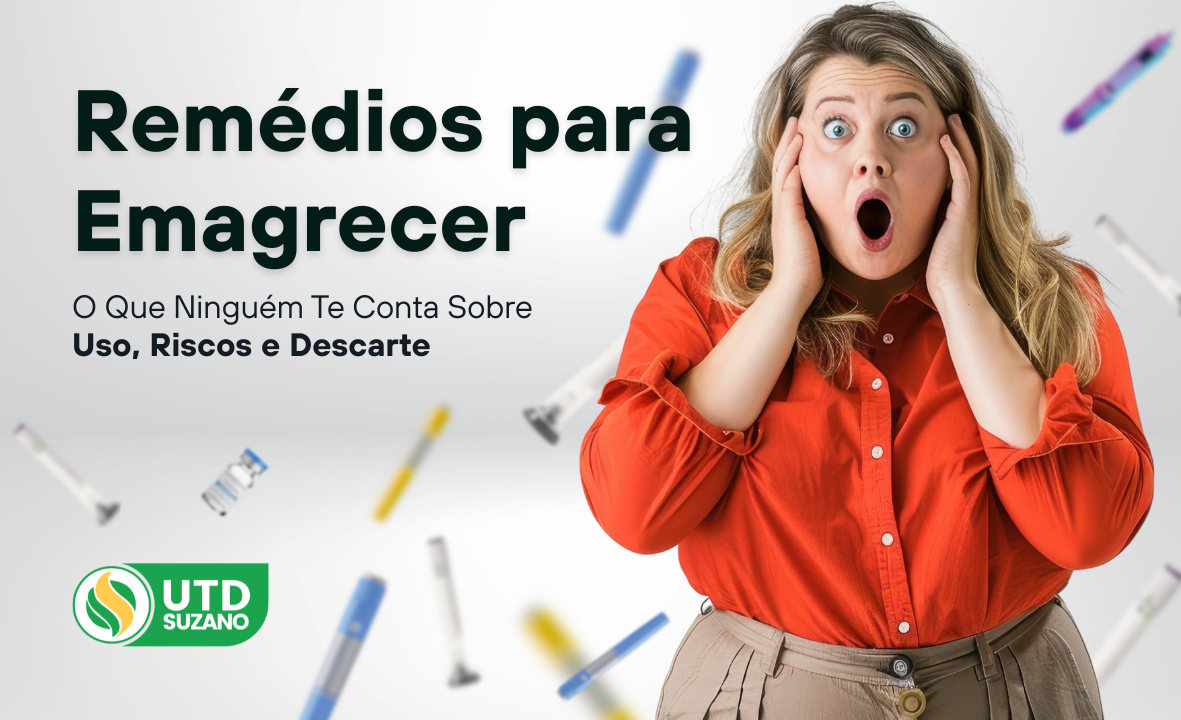
In recent years, so-called weight loss medications have become a constant topic on social media, in medical offices, and in everyday conversations. Medications such as Ozempic and Mounjaro have gained popularity for helping control appetite and promote weight loss.
These medications are administered through injectable pens and were originally developed to treat type 2 diabetes, as they help regulate blood glucose levels. Over time, physicians began prescribing them in specific cases for weight management, always under professional supervision.
They are mainly indicated for individuals with obesity or overweight conditions associated with health risks, such as hypertension or diabetes. In other words, they are not intended for unrestricted or purely aesthetic use without medical guidance.
However, there is a rarely discussed issue: what should be done with used syringes, pens, and expired medications? This is where the risks begin.
Home use: how to store and dispose of safely
Many people use these medications at home, and a few simple precautions can make a significant difference in family safety.
Here’s what to do:
• Safe storage: keep refrigerated, out of reach of children and pets, following the temperature guidelines on the packaging.
• Never reuse needles: each application must use a new needle.
• After use: place the needle in a rigid container with a lid (such as a sturdy plastic bottle) to prevent accidents.
• Do not dispose of in regular trash: medications and sharps must not be discarded in common waste.
• Segregation: keep used pens and needles separate from other household waste.
• Proper destination: take them to pharmacies with collection programs or designated healthcare waste disposal points.
These measures can be carried out using simple materials available at home and help prevent accidents.
Risks of improper disposal for families and collectors
When syringes or medications are discarded incorrectly, the risks are real.
Needles can cause injuries and transmit diseases. Children and animals may be harmed if they come into contact with contaminated materials. In addition, waste collection workers are at risk of accidents when handling improperly discarded sharps.
Medications thrown in the trash or flushed down the toilet can also contaminate soil and water, leading to environmental damage and public health risks.
Pharmacies: what to do with expired medications
Pharmacies that sell these products must follow specific procedures when products expire or are damaged.
The correct process includes:
• Separation of expired stock
• Storage in a secure and identified location
• Recordkeeping of disposal
• Sending to a licensed company for treatment and final disposal
This ensures traceability and prevents health risks.
Manufacturers: responsibility for waste and expired products
Manufacturers also have environmental responsibility for waste generated during production and for products that do not meet specifications.
Mandatory actions include:
• Implementing reverse logistics programs
• Ensuring proper transportation
• Sending waste for specialized treatment
• Complying with environmental and health regulations
These steps are essential to prevent environmental contamination and legal risks.
Laws that penalize improper disposal
In Brazil, several regulations define how healthcare waste and medications must be managed. Non-compliance may result in fines and penalties.
Among the main regulations are:
• National Solid Waste Policy — Law No. 12,305/2010
• Environmental Crimes Law — Law No. 9,605/1998
• RDC 222/2018 of ANVISA (healthcare waste management)
• CONAMA Resolution No. 358/2005
These regulations establish responsibilities for manufacturers, distributors, establishments, and waste generators.
Safe disposal with UTD Suzano
UTD Suzano specializes in the collection, treatment, and final disposal of healthcare waste, including medications and sharps.
The company holds ISO 14001 certification, ensuring strict environmental management and operational safety standards.
This means that both companies and individuals can rely on a safe, legal, and environmentally responsible service for proper waste disposal.
Conclusion
Injectable weight loss medications have brought important advances in the treatment of obesity and diabetes. However, responsible use goes beyond correct application. Knowing how to store, separate, and dispose of these materials is essential to protect families, waste workers, and the environment.
With proper information and simple precautions, it is possible to avoid risks and ensure that the entire lifecycle of the medication — from use to final disposal — is safe.